Campinas, São Paulo, Brazil
São Paulo time (UTC−3)
Feed
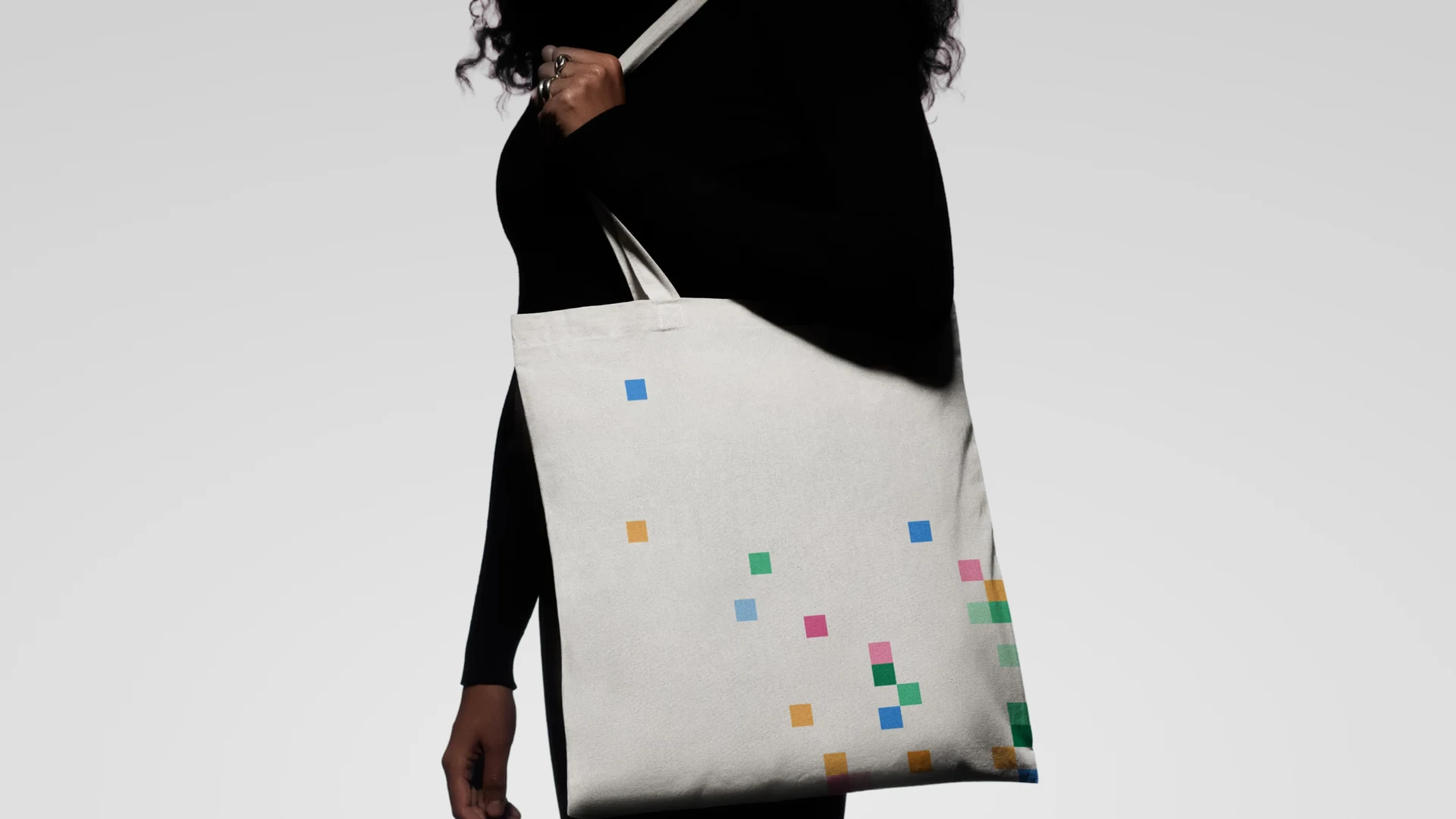
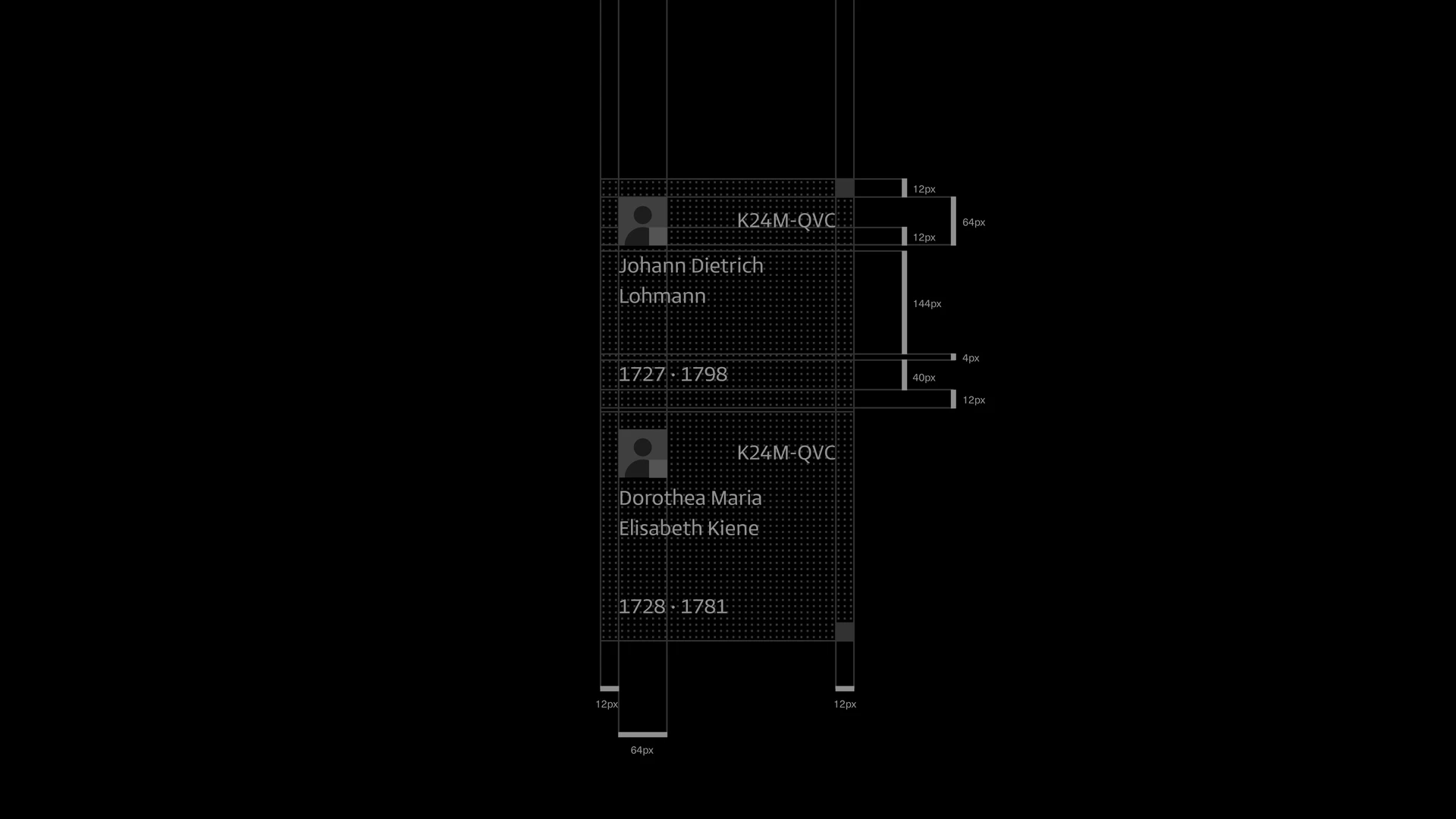
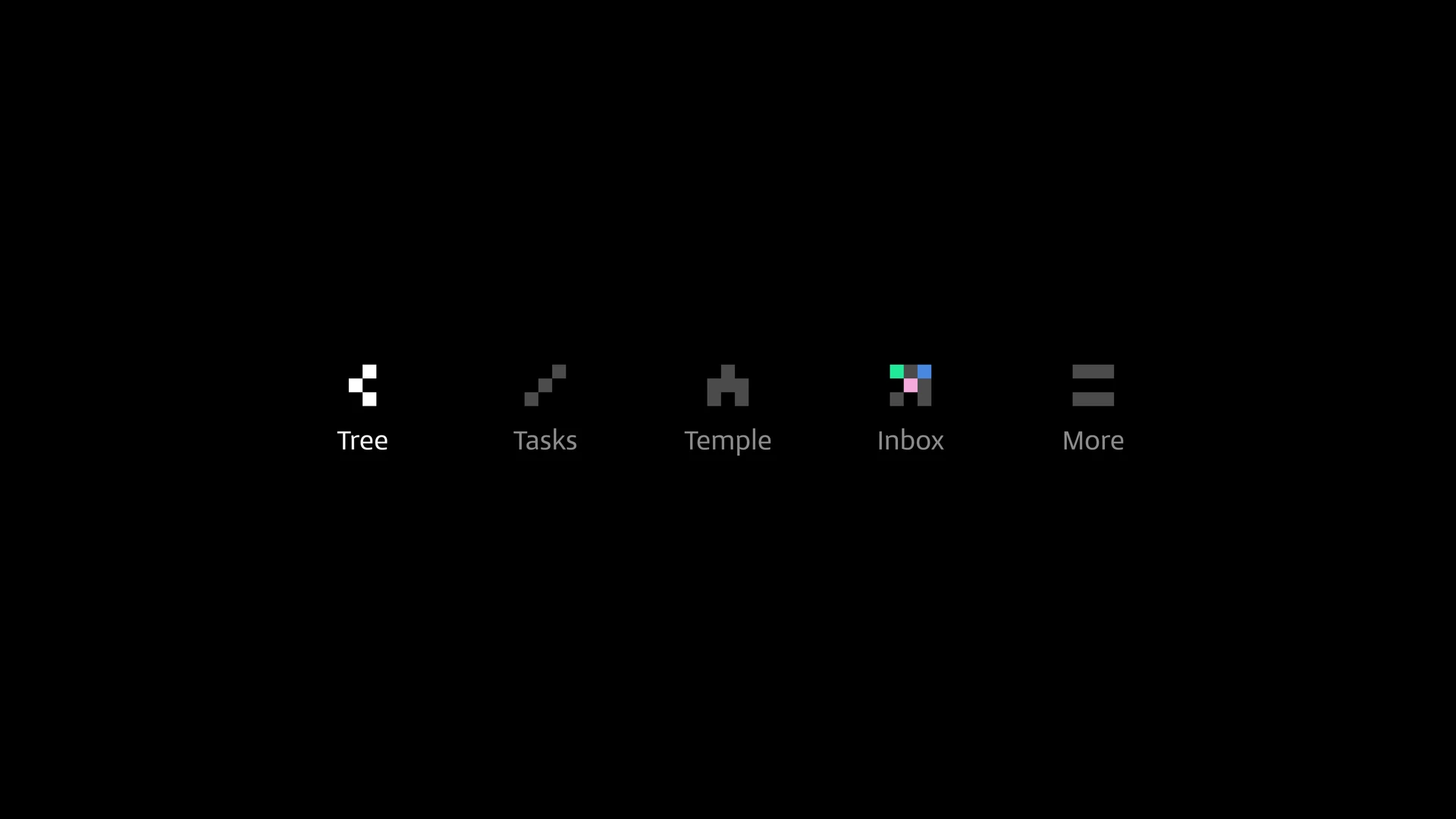
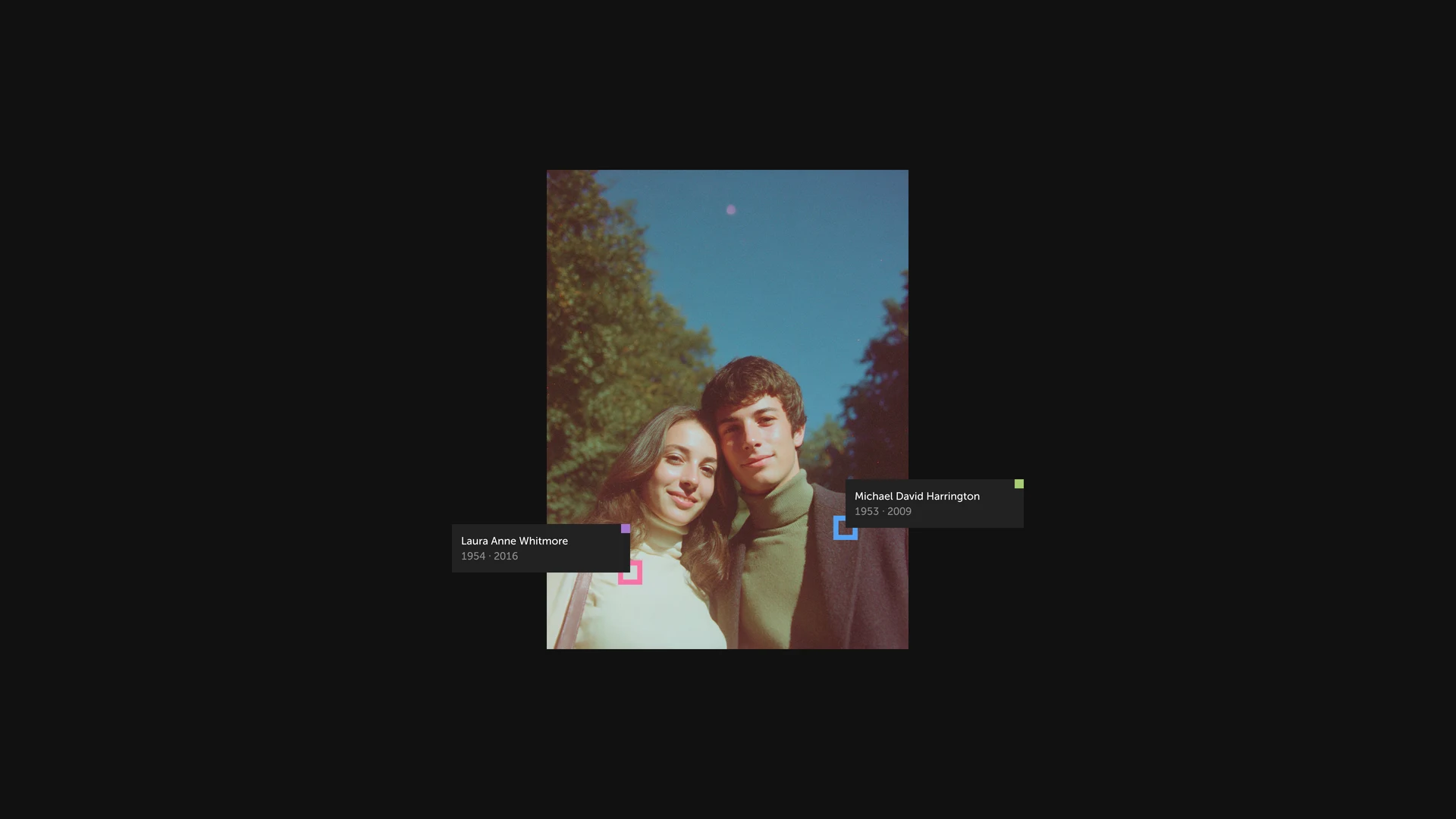
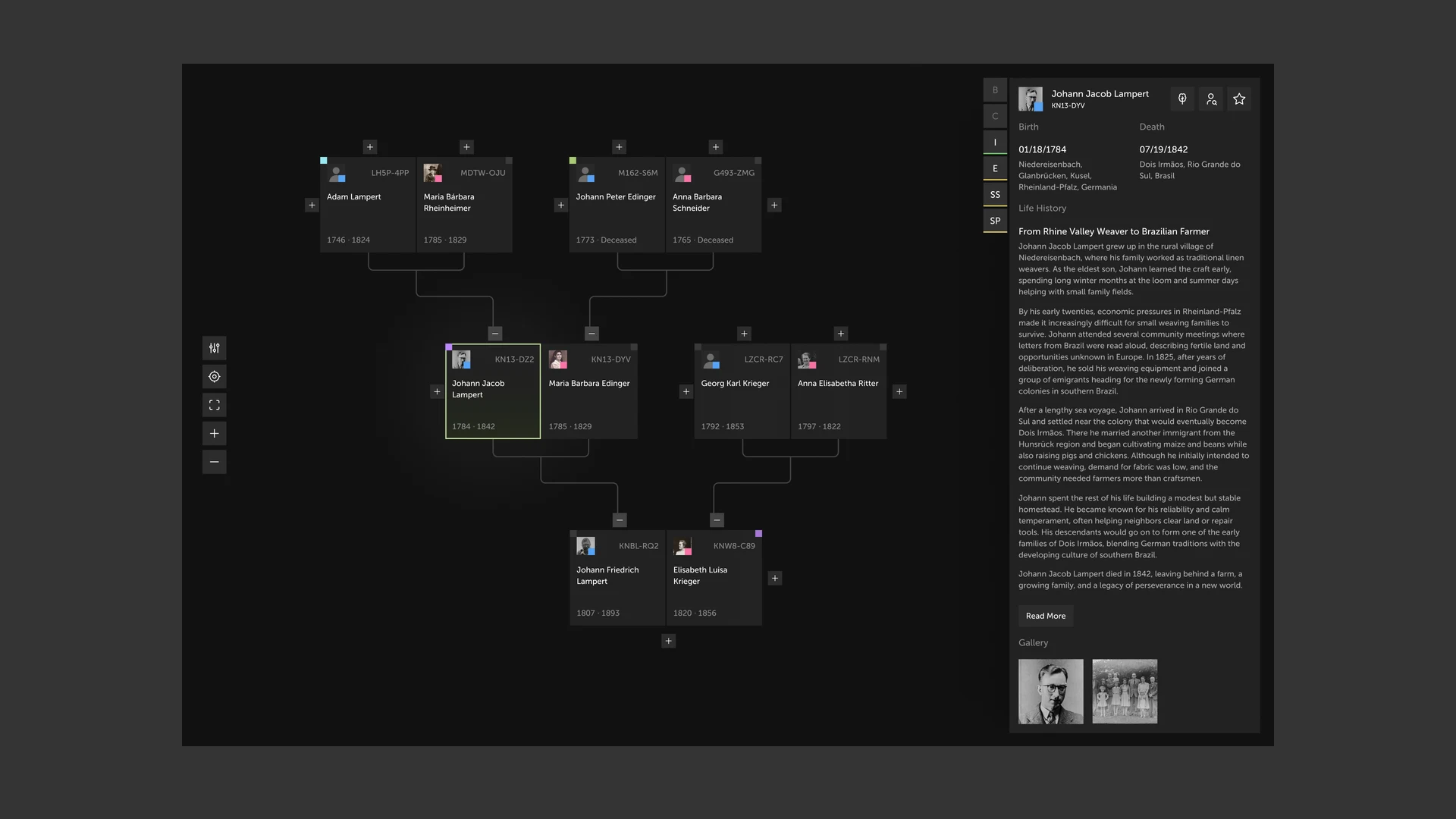
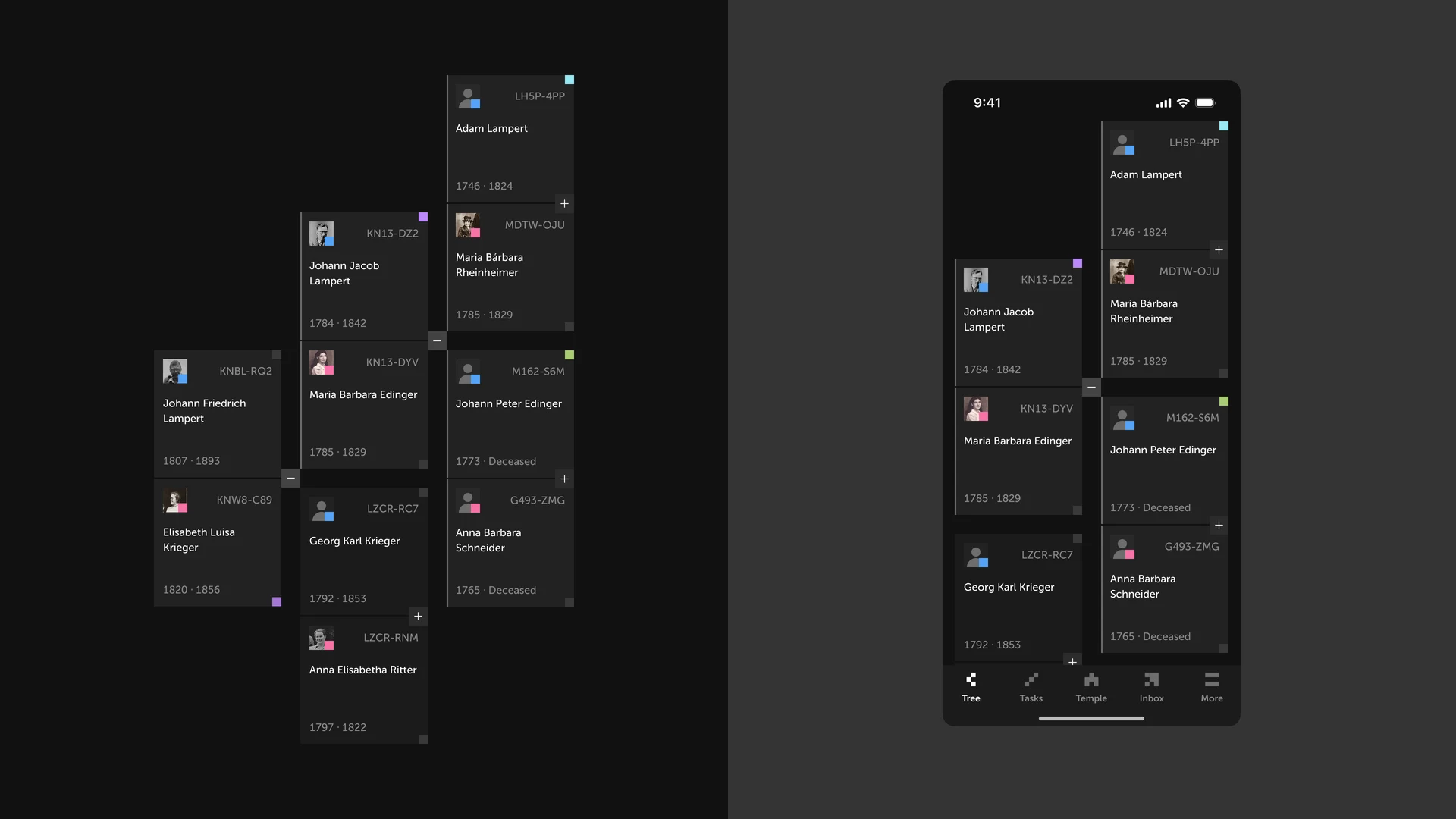
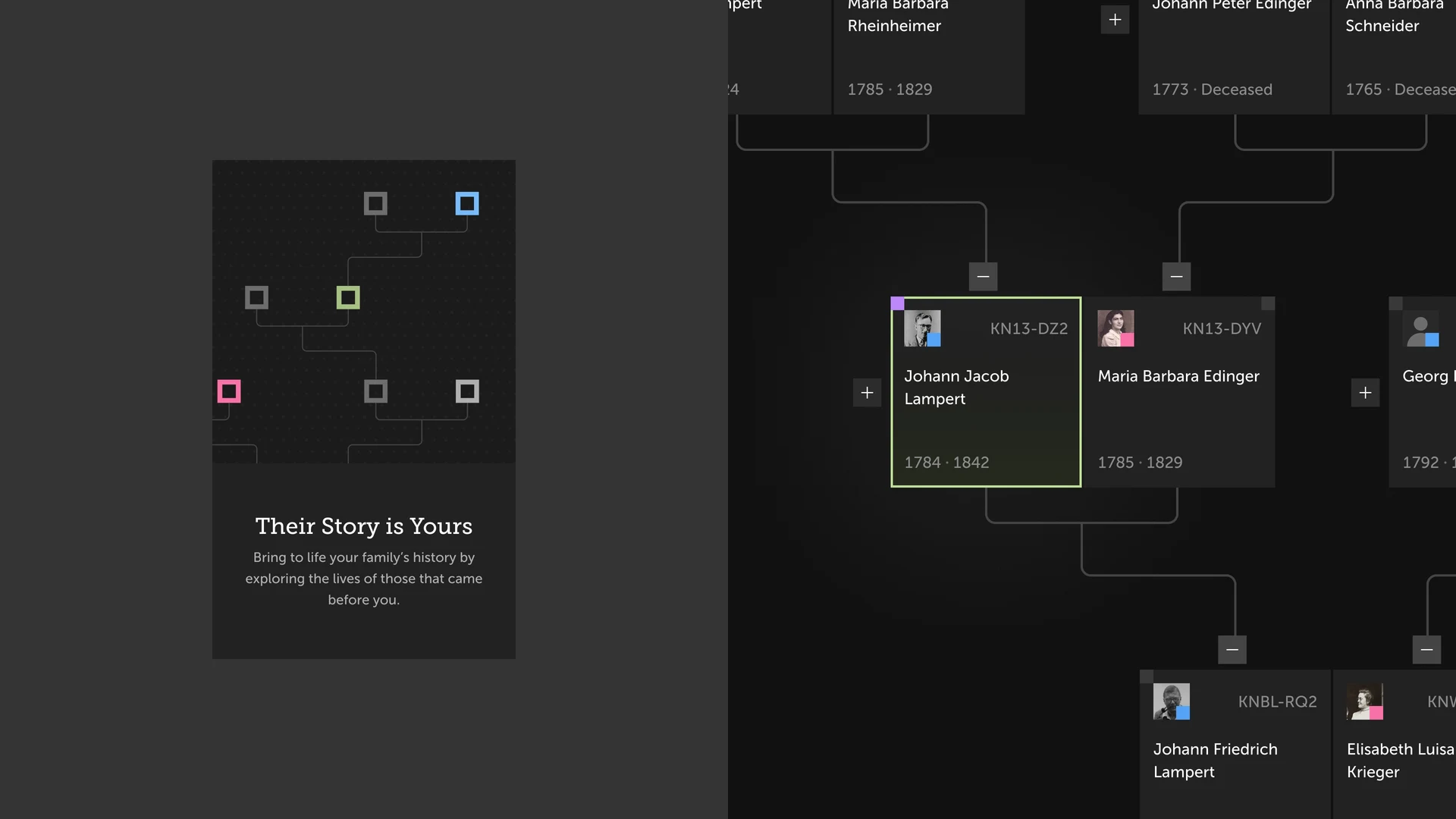
FamilySearch My first instinct was a new logo. What actually made the product feel younger was expanding the identity FamilySearch already had and borrowing from something young people already love: games and game-like interfaces. The brand stays recognizable, and the experience becomes a lot more inviting.
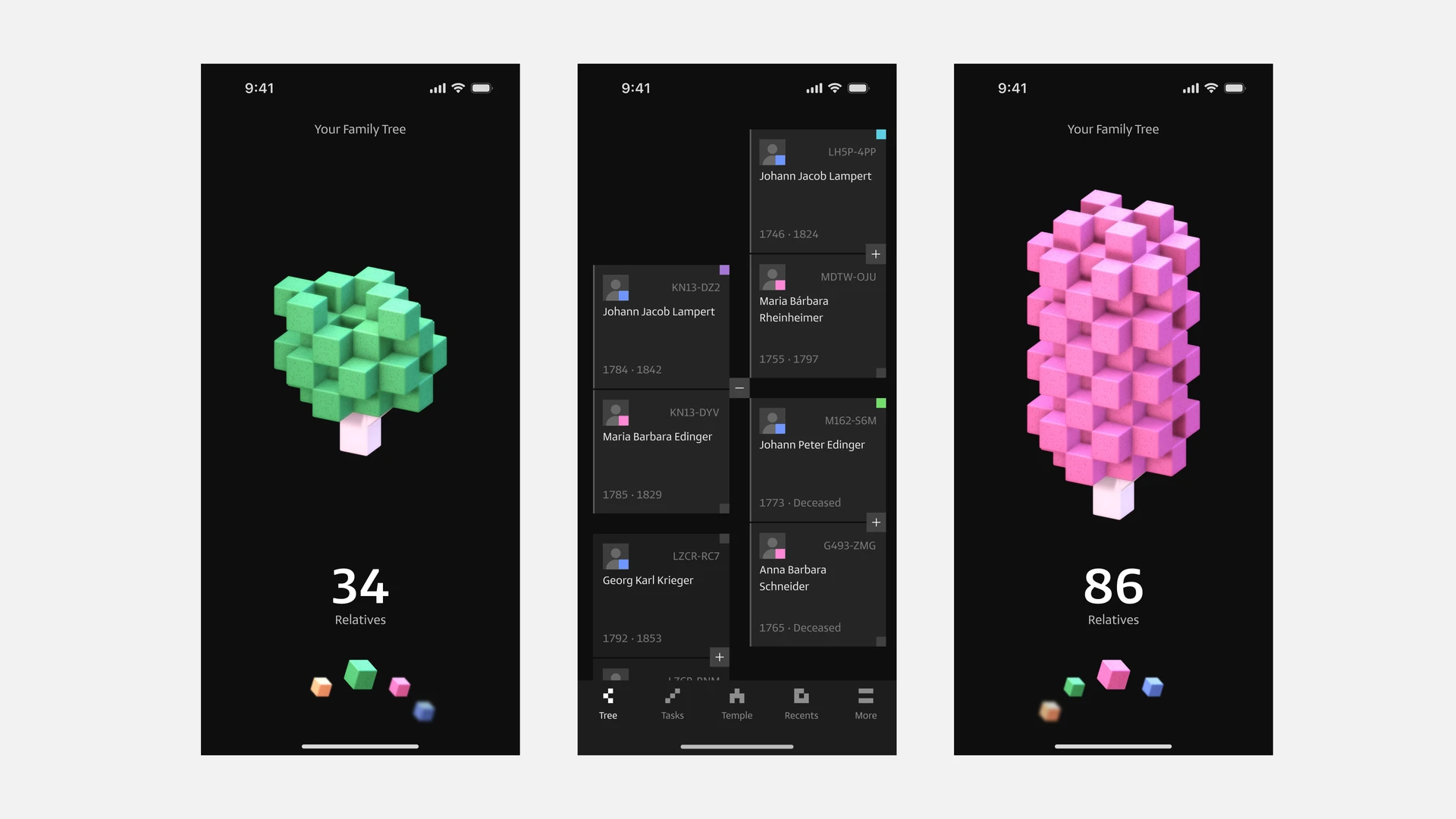
FamilySearch Media 1 of 2 Remember that 3D tree from the early explorations? I developed it into Your Family Grove, where each glowing leaf is a relative. The tree’s size follows your family tree: a few relatives make a small tree, hundreds or thousands make a full canopy. The count is still there, but now it has a shape. You see your tree grow, not just a number go up.
Lexy 
Early versions ran on mock data. With real translations, an answer took more than 20 seconds, and switching to the Claude API only brought it down to 17. So I changed the order: the best phrasing streams in first and the alternatives follow one by one. The first phrase now shows up in about 4 to 5 seconds.
Lexy Lexy knows which language you think in, and that shapes its most distinctive feature. Portuguese and French are close enough to set traps: words that look the same but mean something else, and structures that feel natural but sound off. Take “pretender”: in Portuguese it means to intend, but the French “prétendre” means to claim.